
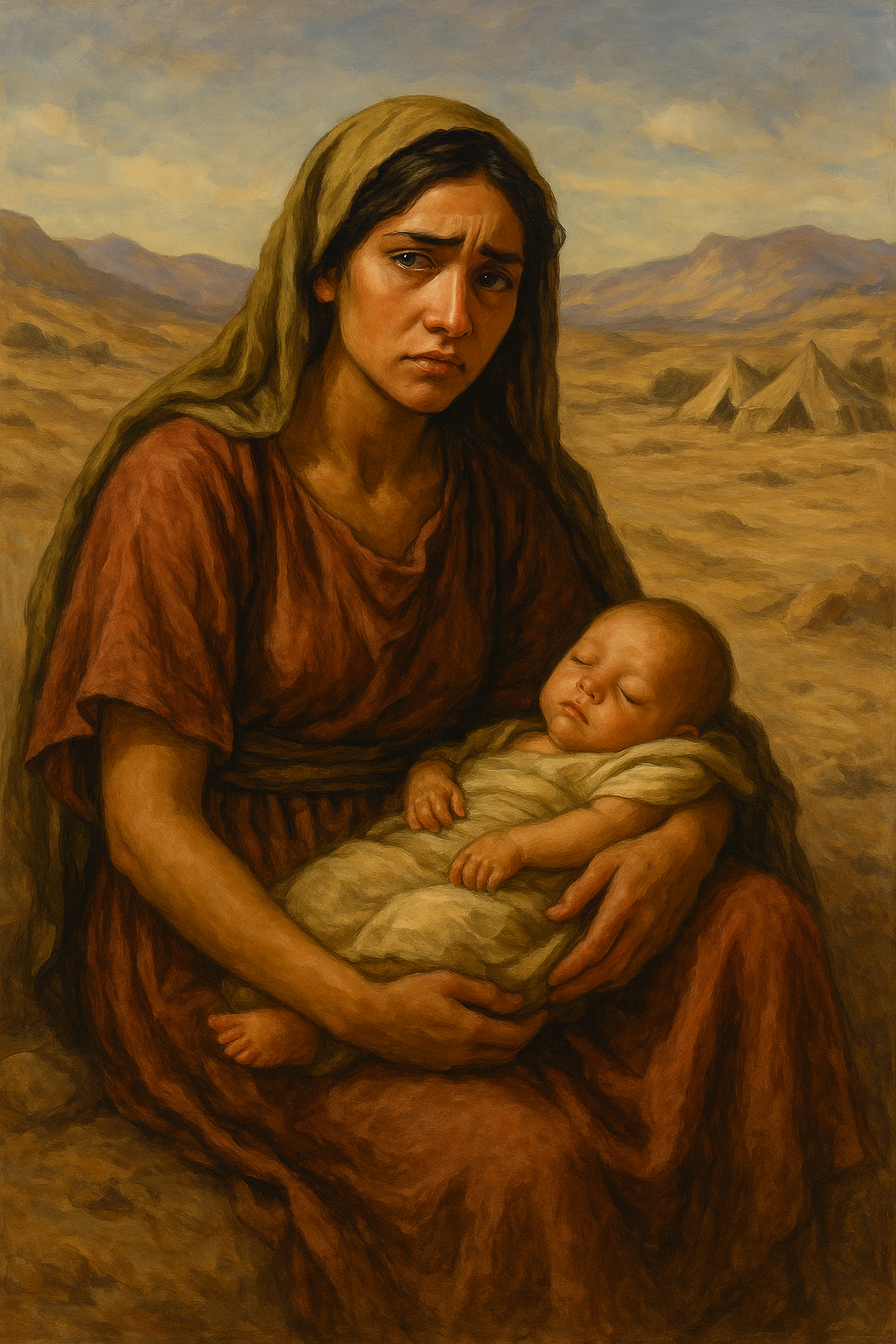
 Even the most stupid of us have 20/20 hindsight. We often see our mistakes and wish we could do things over. Many of my problems in life come because I act too rashly and don’t think through the implications of my actions. And then, most often, I know I should have done things differently or not at all. Well, as Alexander Pope said, “To Err is human.” But to “make matters worse” is another human specialty. I can do that well. We’re usually better off just not doing anything. I had a friend once who said, “God and six months will take care of every problem you have.” When we act ourselves, we usually just make matters worse. Sarah and Abram learned all about making mistakes and then making matters worse. That’s the lesson we learn from Genesis 16:1 and following.
Sarah gave her maiden, Hagar, to Abram as a sort of surrogate mother for a son she couldn’t conceive. Big mistake! As soon as she conceived, Hagar couldn’t resist the temptation to look down on the childless Sarah with contempt. Sarah makes matters worse by treating Hagar so harshly that she runs away. Notice that neither Abram nor Sarah made any attempt to go after her. I always thought that was strange. God had to supernaturally intervene to save her and Ishmael’s life. I even wonder sometimes why He did that! Things in the world today would be a lot different in the Middle East if he hadn’t.
God cares about all His children: slave girls and unborn children alike. He intercedes on her behalf at a place named “Beer Lahai Roi.” That means “God sees.” He speaks to her, comforts her, promises her a son, and instructs her to name him “Ishmael,” which means, “God hears.” God then sends her back to Abram and her mistress, Sarah, with a story to tell. All three of the members of this cast got the message. God sees all our mistakes and how we often make matters worse in the way we treat others. God hears the cry of the abused and will always intercede on their behalf. All of us should remember that God sees and hears everything we do and say to others!
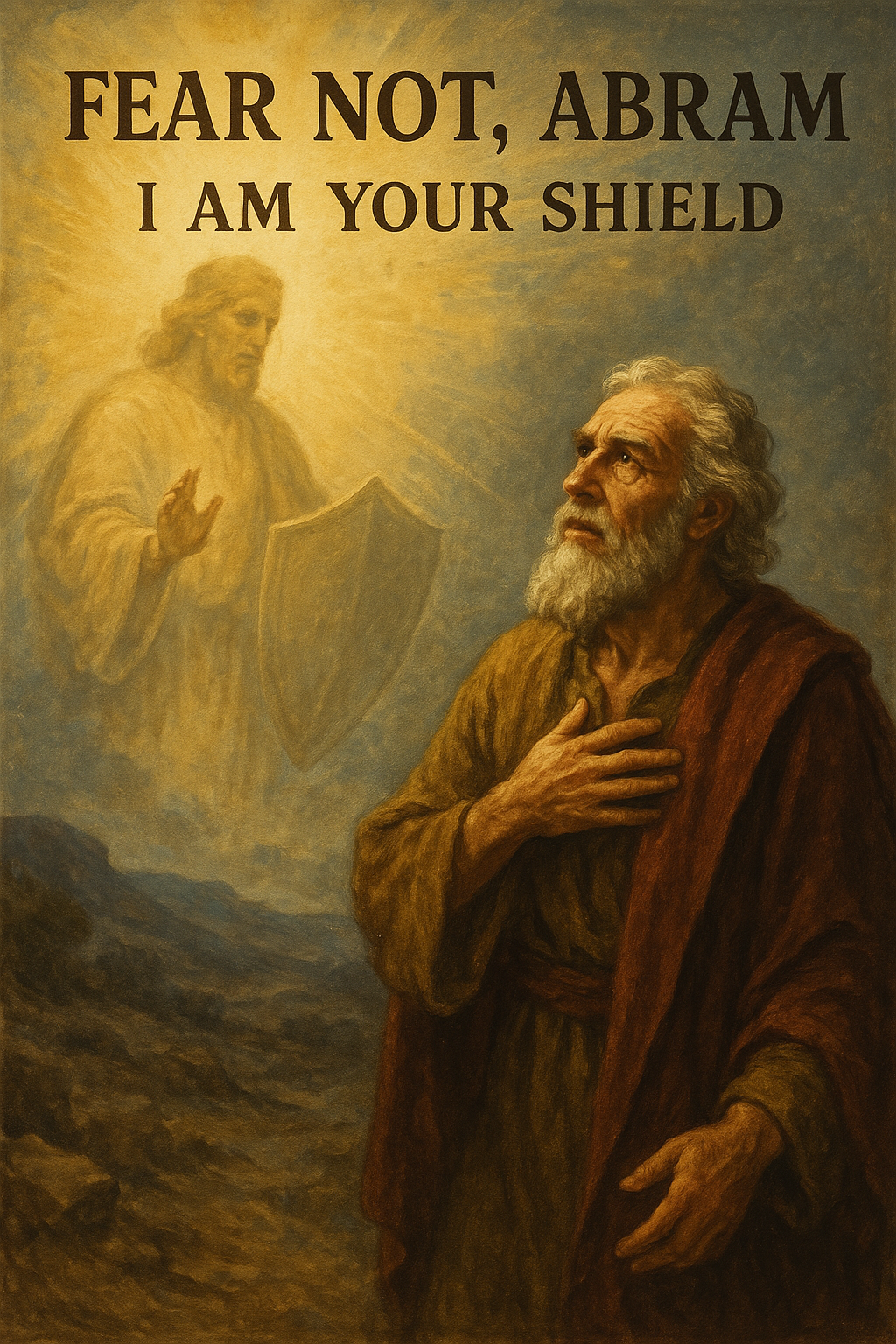 In Genesis 14, Abraham found himself in a war with neighboring tribes. Despite the odds, he managed to form a coalition that not only defeated the enemy but also freed the captives, including Lot and his family. However, this victory came at a cost. It left Abraham at odds with many of his neighbors. The situation was tense, and Abraham realized that if they were to come for him alone, without his allies’ support, he’d be in grave danger. He was afraid of the potential consequences. Adding to his worries was the fact that he had offended the King of Sodom. The King of Sodom wanted to share the spoils of war with Abraham, but Abraham refused. He did not want to be identified with the Sodomites. This could have potentially alienated Abraham from both his enemies and his allies.
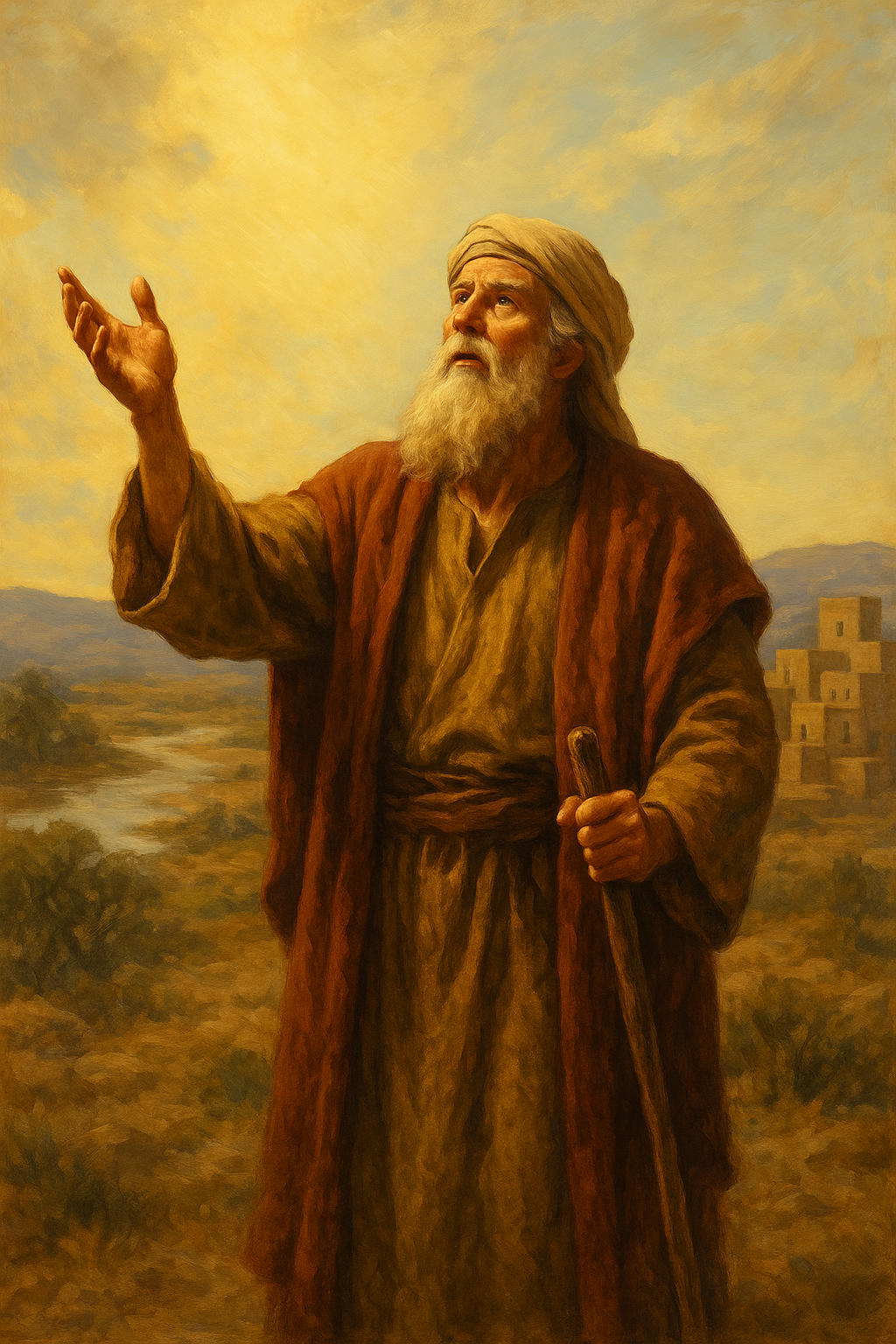 Genesis 12:1-4 recounts the moment when God called Abraham to leave his life in Ur and journey to a new land that God would bestow upon him and his descendants. The essence of this call is simple: ‘Just trust me!’ God pledged to bless Abraham, to make him prosperous, and to bless his descendants. He vowed to make Abraham renowned throughout the world in every generation. He also promised to bless those who bless Abraham and to curse his enemies. All Abraham had to do was trust in God! This same call to trust God is extended to us. He says to us, ‘Just trust me!’
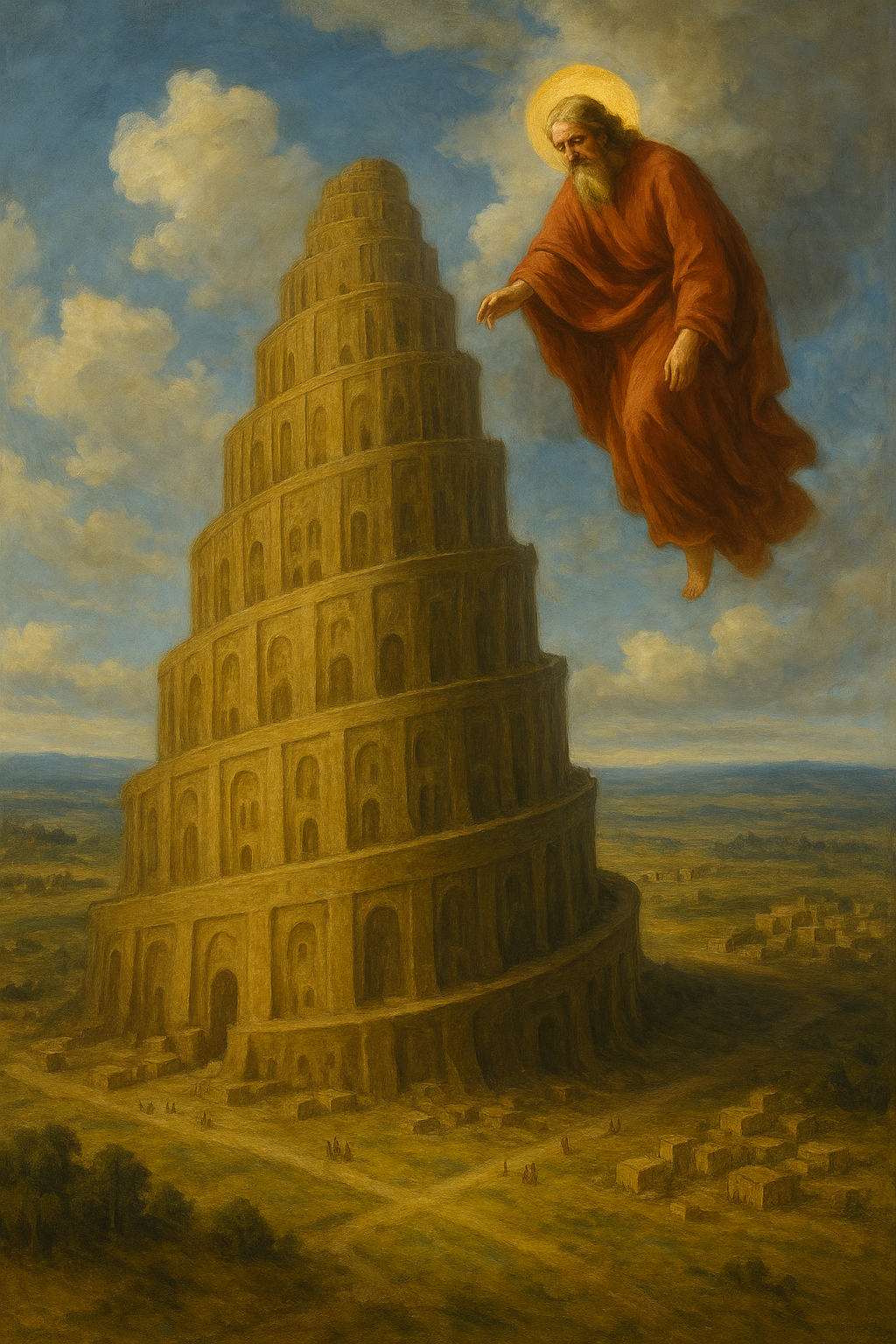 The citizens on the plains of Shinar built a great city and a tower to reach up into heaven. Genesis 11:5 tells us that God “came down to see the city and the tower.” Here again, God speaks to us in human terms. It’s a figure of speech called anthropomorphism. God didn’t literally come down because He’s everywhere! It’s used to arouse attention to the fact that as man wanted to reach God’s abode, heaven, no matter how high he might build God would always have to look down upon it. Boice says, “Here were men attempting to build a great tower. The top was to reach to the heavens. It was to be so great that it and the religion and defiance of God it represented would make a reputation for these citizens of Shinar. There it stood, lofty in its unequaled grandeur. But when God wants to look at it, he comes down. He has to stoop low to see this puny extravagance.”
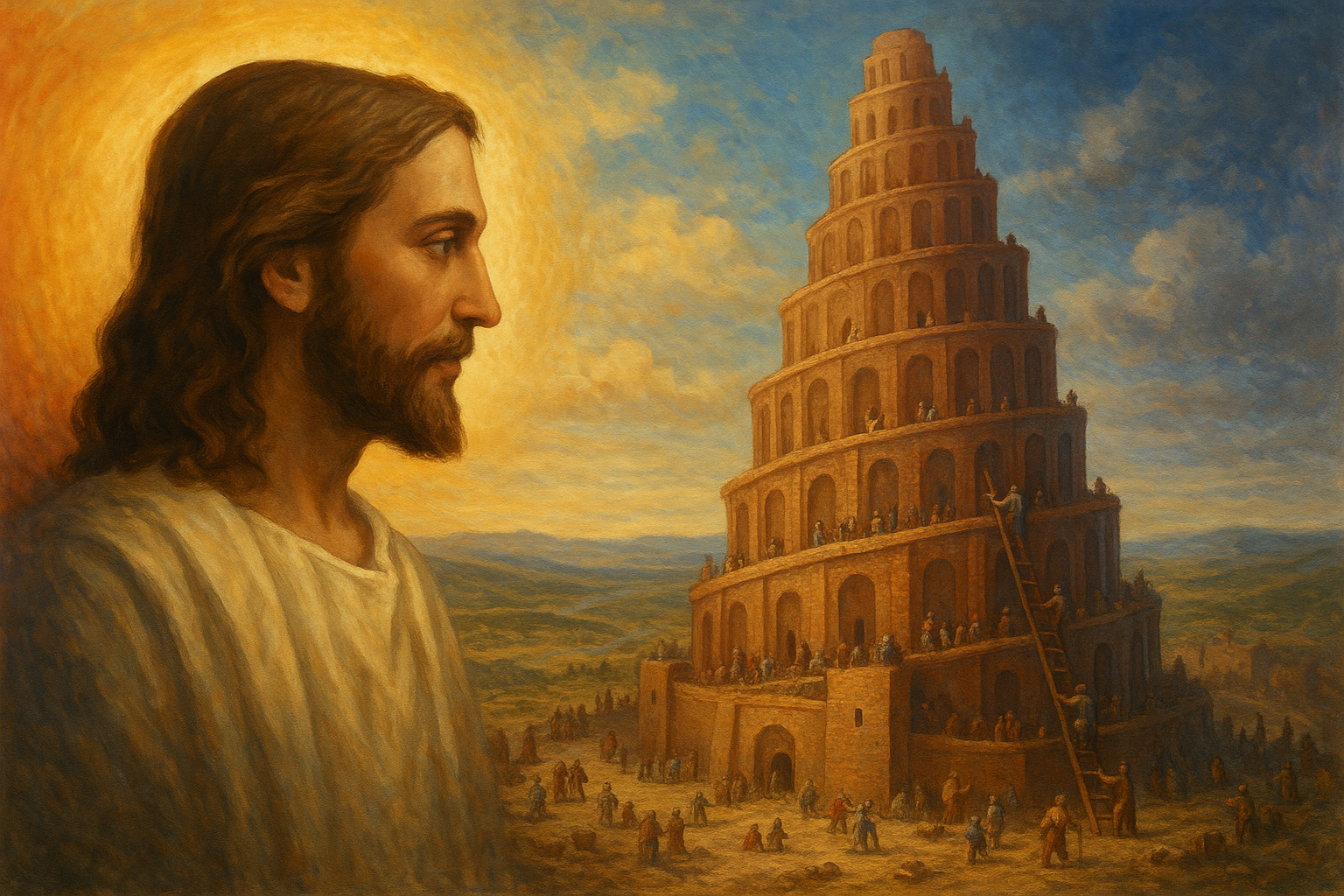 I’ve spent some time searching for Jesus in the book of Genesis. I’ve reached Chapter 11, where the events on the plains of Shinar take place. The people attempted to work their own way to heaven by building this huge tower called the Tower of Babel. You glean their intentions from their comments. They say, “Come, let us make bricks…” Then again, “Come, let us build ourselves a city and a tower with its top in the heaven” (Genesis 11:1-4). It’s let us, let us. We learned that although Noah built an ark, he did it after God’s design and at God’s instruction. It was a response of Faith in God and trusting His word about the coming judgment and the provision for escape from that judgment. Although there is nothing wrong with building anything, cities or towers included, the heart’s intentions matter most to God.
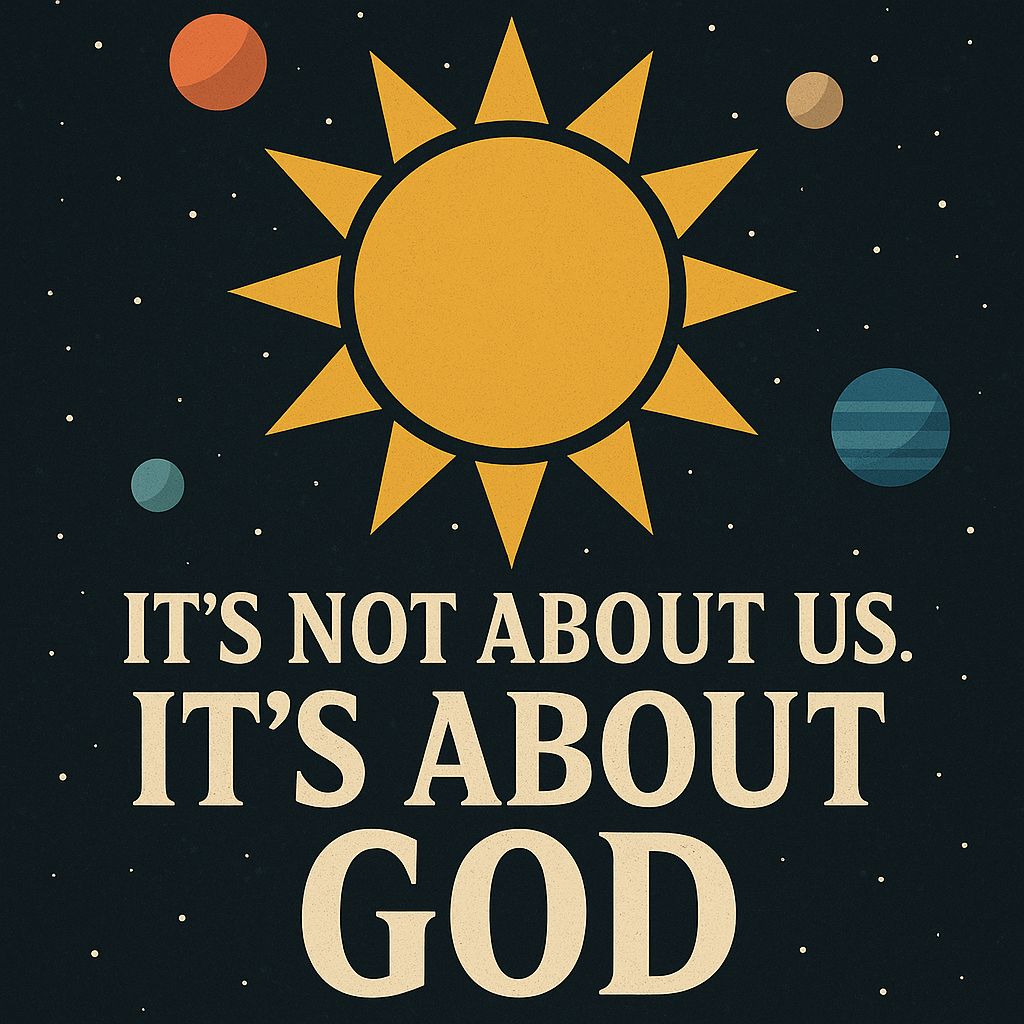 Ptolemy dominated the scientific world up to the sixteenth century. He insisted that the Earth was the center of the universe and that all the planets and stars rotated around us. We, on Earth, were the center of the universe. It was all about us! However, a rebel named Copernicus came along, showing that the movements in the skies did not support his ideas. Rather, the truth is that it was the sun that all the planets revolved around. The sun, not the earth, was the center of the universe. If you look up “the Copernican Revolution” on Google, you’ll find hundreds of thousands of articles about it. Many people still subscribe to the Ptolemaic theory of the universe; everything revolves around them. The world needs another Copernican revolution where we all learn and live out the truth that it’s not really about us, but rather, it’s about God! We’re not the center of the universe. God is!
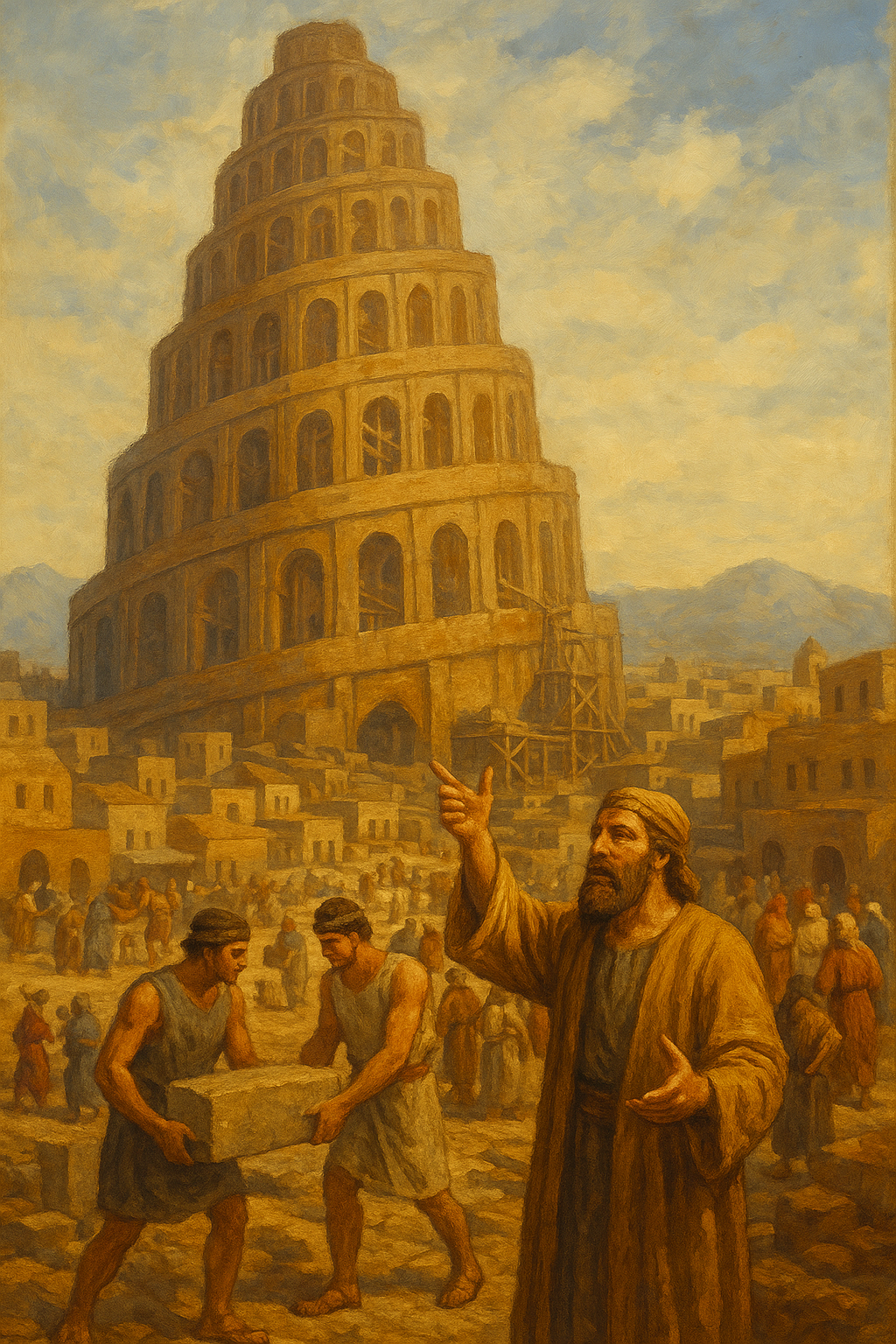 The community on the plains of Shinar that organized to build their own way to “the heavens” was a society organized around the rejection of God’s plan and purpose for their lives. Organizing is one of the key features of God’s people. The New Testament frequently speaks of the need for God’s people to be so well organized that they function like a body; each piece plays a significant part in the overall function of the organization or organism. The failure at Shinar was not about the organization; it was about the purpose of the organization. Its purpose was to defy God’s intended purpose of going forth and filling the whole earth. “Let’s make a name for ourselves,” they said. But God’s call on Abraham was that He would be the one to make Abram great. He would make from one man, Abram, a great nation! That nation consists of those who trust God – and according to Paul, it includes us through our faith in Christ. We, too, are heirs of Abraham.
 Matthew chapter 6 holds a special place in my heart, particularly verse 25. It resonates with our daily struggles, reminding us, “Therefore I tell you, do not be anxious about your life, what you will eat or what you will drink, nor about your body, what you will put on. Is not life more than food and the body more than clothing?” This verse speaks to the very concerns that often occupy our minds, just as they did for the children of Israel as they journeyed through the wilderness. What will I eat? What will I drink? And what will I wear? Because of their focus on what they didn’t have, such as food, water, clothes, etc., The Israelites were the most unhappy, complaining people one might ever want to lead. Ask Moses! Ian MacLaren wrote, “What does your anxiety do? It does not empty tomorrow of its sorrow, but it does empty today of its strength. It does not make you escape the evil; it makes you unfit to cope with it when it comes. God gives us the power to bear all the sorrow of His making, but He does not guarantee to give us strength to bear the burdens of our own making such as worry induces.”